How to Read Cross Stitch Patterns

how to read cross stitch patterns

As I sat one afternoon, surrounded by a colourful array of cross-stitch floss and fabric, meticulously translating the tiny symbols of my pattern onto my canvas, it struck me that reading cross stitch patterns is much like a puzzle or a treasure map. Each symbol, a clue, leading to the eventual treasure of a beautifully completed piece. There’s a level of excitement, paired with the methodical process of decoding that speaks to both the heart and mind of a crafter. And in this space of creativity and precision, the intricate world of patterns becomes a second language.

Today, let’s talk about how to read cross stitch patterns. Patterns are the blueprints of our craft, guiding us from a simple piece of fabric to a work of art. You don’t need a magnifying glass or a secret decoder—just a little understanding and patience, which I’m here to provide, whether you’re a curious beginner or looking to refine your seasoned skills.

First things first, let’s make sure to set the foundation right. For those of you in need of a refresher on the basics of cross-stitch, I recommend taking a peek at our comprehensive guide that covers all you need to get started. But for now, let’s unravel the mysteries of cross-stitch patterns together.

Reading Cross Stitch Patterns

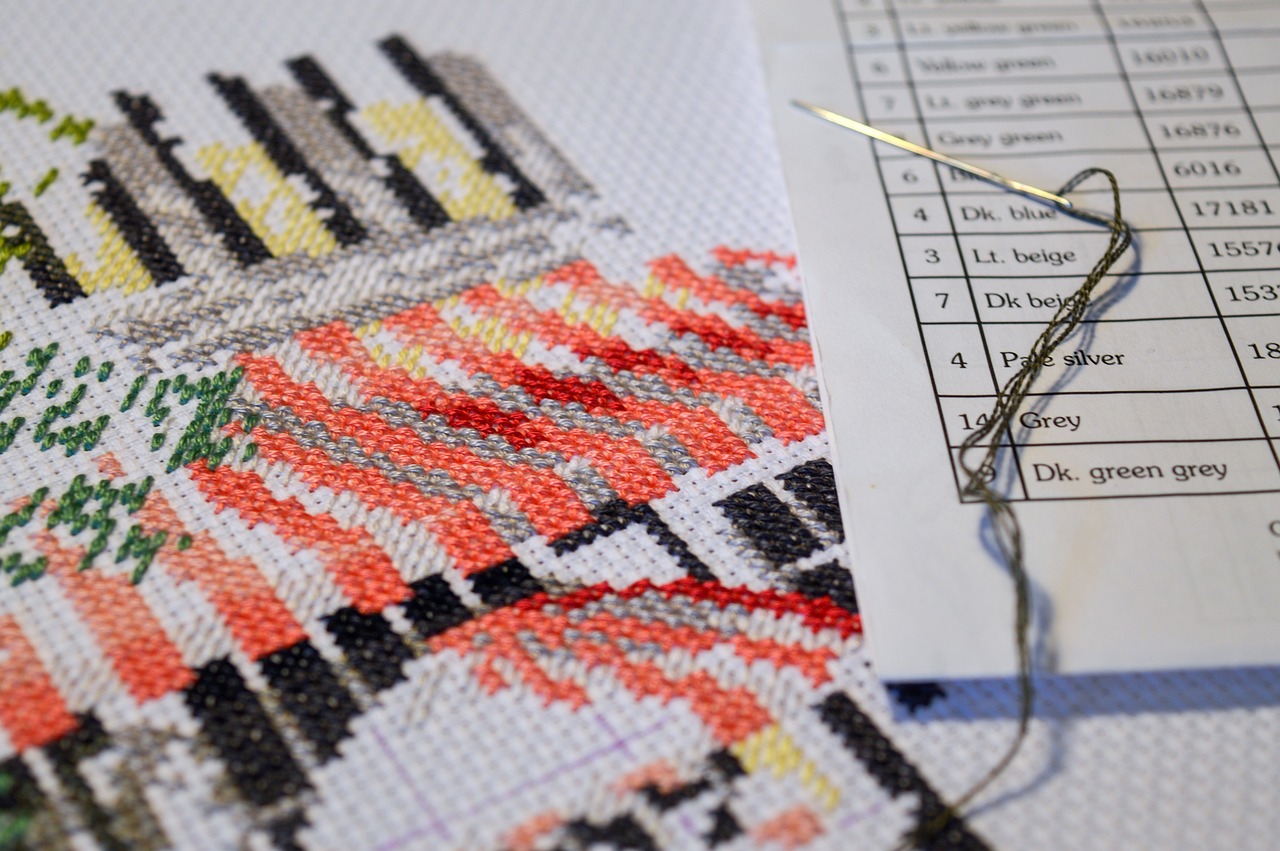
A cross-stitch pattern can be quite complex, composed of grids and symbols, each representing a stitch or a colour. Think of it as a map—each grid cell is a square on your fabric, and each symbol corresponds to a specific floss colour. The key, usually found on the side or bottom of your pattern, reveals what each symbol means. It’s crucial to familiarise yourself with the key before you start.

Let’s delve deeper into what makes reading a pattern an interesting challenge. The pattern is divided into sections usually marked by bold lines, forming a larger 10×10 grid. These are to help you locate where you are on the fabric, as it corresponds to the same grid reference you can mark on your fabric with washable fabric pens or pencils.

Now, take note of the centre arrows at the top and the side of your pattern. Aligning them helps you find the centre of your design, which is where many stitchers prefer to start, ensuring an even distribution of work on the fabric.

Understanding Cross-Stitch Symbols and Colours

In cross-stitch, a pattern is typically presented as a grid with symbols in each square. Each symbol corresponds to a specific colour and type of stitch. Here’s a breakdown to help beginners understand this better:

Symbols for Stitch Types

Some advanced patterns will include symbols to show the type of stitch to make. If you’re just getting started, it’s better to stick to patterns that only include regular cross stitch stitches. Not all patterns include these symbols – if your pattern doesn’t have them then you’re safe to just use regular X’s throughout.

Regular Cross-Stitch (X): Represented by an ‘X’ symbol. This is the most common stitch.

Half-Stitch: Shown as half an ‘X’ (like a ‘/’). It covers only half the area of a regular cross-stitch.

Quarter-Stitch: Often depicted as a triangle or a quarter of an ‘X’. This stitch covers a quarter area of a standard cross-stitch.

Three-Quarter Stitch: Illustrated as three parts of an ‘X’. It’s essentially a combination of a half-stitch and a quarter-stitch.

Backstitch Lines: Usually represented by straight lines that span across multiple squares. They outline details or add definition.

Symbols for Colors

Many patterns will include a colour grid pattern as well as a black and white version with symbols for the different colours.

Each symbol on the grid corresponds to a specific thread colour. For instance, a star symbol (*) might represent red, while a circle (o) might represent blue.

The exact colour is defined in a legend or key accompanying the pattern. This key not only specifies the colour but also often includes the manufacturer’s code for the thread. This is crucial for ensuring you use the exact shades intended for the pattern.

Accessibility and Clarity

Black and White Symbols: These are especially useful for stitchers who may have difficulty distinguishing between colors due to colour vision deficiencies. Black and white symbols can offer clearer distinctions. Additionally, they are often easier to read when patterns are printed in non-colour (monochrome) formats.

Coloured Symbols: While coloured symbols can give a more immediate sense of the final appearance of the stitched piece, they may be harder to differentiate, especially in patterns with a large number of similar shades.

Stitcher Preference

Personal Comfort: Some stitchers find it easier to follow black and white symbols, as they provide a high contrast against the grid. Others prefer coloured symbols, particularly for projects with a limited colour palette, as they can visualise the finished piece more readily.

Experience Level: Beginners might find black and white symbols less overwhelming, while more experienced stitchers might opt for colored symbols for a quicker visual reference.

Practical Considerations

Printing Constraints: Black and white symbols are more print-friendly, requiring no color ink. This makes them a practical choice for pattern designers and stitchers who print patterns at home.

Pattern Complexity: In very complex patterns with many similar colours, black and white symbols can be more distinct and less confusing than coloured ones.

Ultimately, the choice between black and white symbols and coloured symbols in a cross-stitch pattern depends on the individual stitcher’s needs and preferences. Some pattern designers may offer both options to accommodate a wider range of stitchers. When starting a new project, it’s helpful for stitchers to consider which type of pattern would be most comfortable for them to work with, considering factors like pattern complexity, their own vision and colour discernment capabilities, and printing resources.

Specialty Stitches or Embellishments:

Some patterns include special stitches or embellishments like beads. These are usually clearly explained in the pattern’s instructions or key.

Organising Your Thread

Before beginning your project, it’s helpful to organise your floss (thread) according to the key. Labelling each colour with its corresponding symbol and manufacturer’s code can save time and reduce confusion as you work through the pattern.

Remember, each pattern designer might use slightly different symbols, so always refer to the specific key provided with your pattern. Understanding these symbols and organising your materials beforehand can make your cross-stitching experience much smoother and more enjoyable.

Navigating the Chart

Navigating through the sea of symbols can feel overwhelming, so here’s a simple strategy: start small. Focus on one 10×10 square at a time. Some stitchers use highlighters to mark off the areas they’ve worked on directly on the pattern. Others prefer to make working copies to keep their original pattern intact.

And here’s a personal tip from my experience: if you’re working with a particularly complex pattern, coloured pencils can be a lifesaver. Use them to colour over the completed sections instead of a highlighter. This minimises bleed-through and maintains the visibility of symbols in case you need to recheck your work.

Reading the Instructions and Following the Order

Every pattern comes with instructions. Beyond the grid and key, it outlines the order of work, which types of threads to use, and any additional materials you may need. It may seem like common sense, but always read through the instructions from beginning to end before starting to stitch. This will prevent any heart-sinking moments when you might discover something crucial halfway through your project.

Patterns often suggest beginning with the full cross-stitches and moving on to the more detailed half, quarter, three-quarter stitches, and backstitching. Doing so lays a clear foundation of your design before adding intricate details and outlines.

Making Sense of Backstitch and Special Stitches

Backstitch is used for outlining and defining shapes. On a pattern, these are typically represented by dashed or solid lines traveling across the squares, against the backdrop of your cross-stitches.

Special stitches add texture and dimension to your work. French knots, smyrna crosses, and Rhodes hearts are just a few you may encounter. These advanced stitches will have their own unique symbols and are usually detailed in the instructions with how-to steps.

Practical Tips for Cross-Stitch Patterns:

  • Always start by reading the pattern thoroughly, familiarising yourself with the key and instructions.
  • Begin stitching at the centre of the fabric, unless the pattern suggests otherwise to ensure symmetry.
  • Use a highlighter or coloured pencils to mark off completed sections without obscuring the symbols.
  • Tackle one 10×10 grid section at a time to keep from feeling overwhelmed.
  • Use the correct type and number of threads as specified in the pattern instructions to maintain consistency.

Beginners, practice by choosing simpler patterns with larger blocks of the same colour and fewer special stitches. Advanced stitchers might prefer to challenge themselves with intricate, multi-coloured patterns that employ a variety of stitch types.

The Meditative Aspect of Reading Cross-Stitch Patterns

Reading and interpreting cross-stitch patterns is an exercise in mindfulness that offers a unique meditative quality. As you decipher each symbol and translate it into stitches, there’s a soothing rhythm that engages the mind in a focused yet peaceful activity. This process of pattern reading demands meticulous attention to detail, requiring you to be fully present in the moment. Each X laid down on the fabric is not just a stitch, but a step in a journey of concentration and relaxation.

This activity strikes a harmonious balance between the cognitive engagement of following complex patterns and the tranquil repetition of stitching. It’s a blend of creativity, focus, and logic that not only sharpens the mind but also provides a soothing retreat from the busyness of everyday life. As you become absorbed in the pattern, the repetitive motion of threading and stitching fosters a calm, meditative state. In this space, the mind can relax, freed from external stresses, while simultaneously engaging in a productive and creative endeavor. Ultimately, reading and working on cross-stitch patterns is more than just a craft; it’s a form of mental exercise that offers a peaceful respite and a chance to rejuvenate the mind, one stitch at a time.

Perseverance

I fondly remember a particularly challenging pattern I embarked on some years ago. It was dense with symbols, blending filaments, and demanded precision. However, as I progressed, translating each symbol into a stitch became second nature—a language all of its own that spoke through my needle and thread.

Keep in mind, your first few pattern reads might not be smooth sailing, but with perseverance, you’ll navigate the course with ease. With these tips and a bit of practice, you’ll be reading cross-stitch patterns like a seasoned sailor in no time.

Quick Recap:

Understanding the Pattern:

  • Identify the grid and symbols
  • Use the key to decode each symbol
  • Start from the pattern’s centre

Effective Navigation Strategies:

  • Tackle one grid section at a time
  • Use highlighters or colored pencils for tracking progress
  • Follow the suggested stitching order

Backstitch and Special Stitches:

  • Pay special attention to backstitch lines and their purpose
  • Learn special stitches provided in the pattern to elevate your piece

Final Thoughts

Embrace the meditative quality of reading and following patterns

Keep your patterns close, your thread sorted, and most importantly, take pleasure in the craft. Cross-stitching, in its essence, is a narrative woven by hand—one that tells a story with every tiny ‘x’. It delights as much as it teaches patience and creativity.

As you embark on your next cross-stitch adventure, carry with you the knowledge and anticipation of the beauty to unfold, stitch by stitch. And if ever you find yourself adrift in a sea of symbols, remember that every great journey starts with a single step—or in our case, a single stitch.

With love and lots of x’s, Ellie 😉

And for those of you seeking to delve even deeper, don’t forget to explore our related guide on mastering the art of cross-stitch, where you’ll uncover even more techniques and tips to enhance your stitching repertoire.

Leave a Comment

Your email address will not be published. Required fields are marked *

Scroll to Top