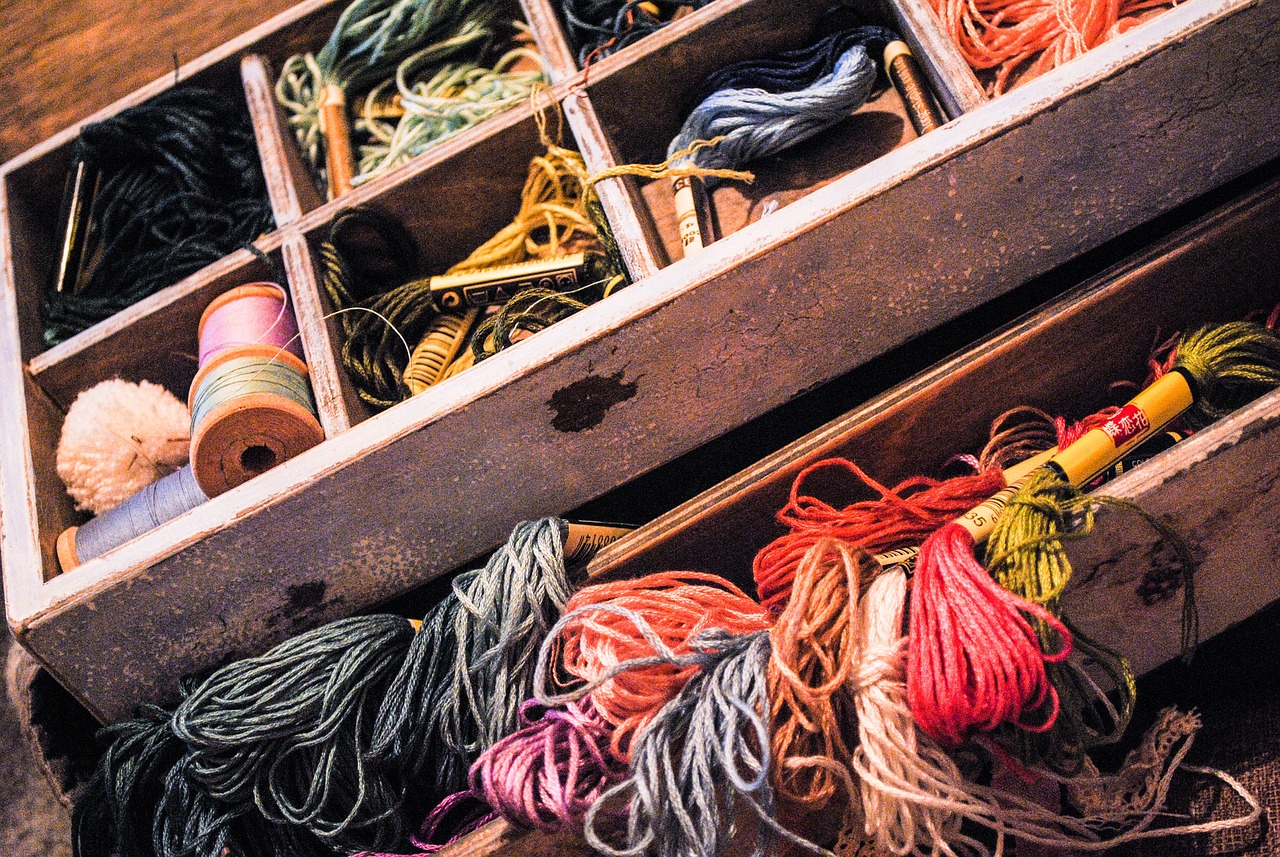
When I think back to some of my earliest cross-stitching projects, one of the most daunting tasks for me was choosing which cross stitch threads to use. I vividly remember standing in the aisle of a craft store, surrounded by a rainbow of colourful threads, feeling both overwhelmed and excited at the prospect of creating something beautiful with these materials. The world of cross-stitch threads is vast and varied, but understanding the different types and their effects on your stitching can truly elevate your projects. Whether you’re just starting out or looking to deepen your knowledge, this guide will take you through the essential aspects of cross-stitch threads, from the types of threads available to their impact on the final stitched piece. So, let’s dive in and unravel the colourful world of cross-stitch threads together!
Table of Contents
Understanding Cross Stitch Threads
To truly appreciate the beauty and versatility of cross stitch, it’s essential to understand the different types of threads available. Each type brings its own unique qualities to the stitching experience, affecting everything from texture to color depth. Here are the main types of cross-stitch threads to explore:
Stranded Cotton
Stranded cotton, also known as embroidery floss, is arguably the most familiar and widely used thread in cross stitching. Made up of six loosely twisted strands that can be separated, this versatile thread provides excellent coverage and is available in an extensive range of colours. Here are some key points to consider about stranded cotton:
- Versatility: Stranded cotton is incredibly versatile, allowing stitchers to use the entire six strands for bold, chunky stitches or separate the strands for more delicate work.
- Color Fastness: When using stranded cotton in cross stitch projects, it’s important to consider the color fastness of the thread to ensure that it retains its vibrancy over time.
Metallic Threads
Adding a touch of sparkle to your cross-stitch projects, metallic threads are crafted from materials such as polyester, nylon, or real metals like silver and gold. While they can create stunning effects, metallic threads require some special considerations:
- Handling: Working with metallic threads can be challenging due to their tendency to twist and unravel. Using shorter lengths and a laying tool can help manage these issues.
- Light Reflection: Experiment with metallic threads to see how they interact with different sources of light. This will give you a better understanding of their reflective qualities and help you use them to achieve specific visual effects in your designs.
Silk Threads
Silk threads offer a luxurious and lustrous sheen that adds a touch of elegance to cross-stitch projects. They come in a range of single-strand and stranded varieties, each with its own set of characteristics:
- Texture: Explore the smooth, fine texture of silk threads to create wonderfully detailed stitches and intricate designs.
- Blending: Silk threads are fantastic for blending colors and creating subtle gradations, giving your work a painterly quality.
Linen Threads
Linen threads provide a rustic and natural look, enhancing the textural aspect of cross stitch. Here are some key features of linen threads to consider:
- Texture: The slightly uneven and textured nature of linen threads can add depth and character to your stitched pieces, especially when used in designs with a vintage or country aesthetic.
- Dye Absorption: Due to its natural properties, linen can sometimes absorb dyes differently, resulting in a unique variance in color depth that adds charm to your projects.
Rayon Threads
Rayon threads are prized for their vibrant and lustrous appearance, often used to create eye-catching embellishments and intricate details within cross-stitch designs:
- Sheen: The luster of rayon threads can enhance specific areas of a design, drawing attention to focal points and creating visual interest.
- Strength: While rayon threads offer beauty, they can be more fragile compared to other thread types, requiring careful handling to prevent breakage during stitching.
Cotton Blends
Cotton blends, which combine cotton with other fibers such as acrylic or viscose, offer a balance of durability and softness. They often come in various textures and finishes, allowing for diverse applications in cross stitching:
- Durability and Softness: Cotton blends can provide the best of both worlds, offering the strength of cotton with the added softness and sheen of other fibers.
- Texture Variation: Explore the different finishes available in cotton blends, from matte to subtly glossy, to see how they complement your specific design elements.
Choosing the Right Thread for Your Project
Now that we’ve explored the various types of cross-stitch threads, let’s delve into the factors that can guide your selection process when starting a new project. Understanding these considerations will help you make informed decisions, ensuring that your choice of thread aligns perfectly with your creative vision:
Project Size and Complexity
- Coverage: For larger projects or full-coverage designs, consider threads that provide good coverage with fewer stitches to achieve a seamless look.
- Fine Detailing: Designs with intricate details may benefit from finer threads or those with excellent blending capabilities.
Design Aesthetics
- Color Depth: Consider the depth and richness of colors in your design, opting for threads that can accurately convey the intended color palette.
- Texture and Sheen: Evaluate how different thread types can enhance the overall texture and visual appeal of your design.
Special Effects
- Metallic Accents: Projects that call for metallic accents or highlights may benefit from the unique effects offered by metallic threads.
- Sheen and Luster: Explore the use of silk or rayon threads to introduce captivating sheen and luster to specific elements in your design.
Fabric Compatibility
- Weight and Texture: Match the weight and texture of your fabric with suitable threads to achieve the desired look and feel of the finished piece.
- Dye Compatibility: Consider how the thread colors interact with the fabric’s color and texture, aiming for harmonious combinations.
Embrace the joy of experimentation and discovery
Stitching Effects: Using Different Threads for Varied Visual Impact
As you gain confidence and expertise in cross stitching, you’ll discover the remarkable impact that different threads can have on the visual appeal of your stitched pieces. Let’s explore some stitching effects facilitated by various thread types:
Texture Play
Experimenting with threads of different textures can introduce dimension and tactile interest to your projects:
Layering: Overlaying smooth silk threads with textured linen threads can create captivating contrasts and layered effects within your designs.
Raised Embellishments: Utilize thicker or textured threads to create raised elements, adding depth and three-dimensionality to your stitches.
Color Blending and Gradients
Combining threads of complementary colors or varying shades within the same color family can produce breathtaking color gradations and transitions:
Blending Techniques: Use stranded cotton to experiment with blending techniques, seamlessly transitioning between colors to create nuanced and realistic effects.
Tonal Variance: Combine single-strand silk threads with subtle tonal variances to achieve a painterly, watercolor-like appearance in your designs.
Reflective Accents
Leveraging the unique light-reflecting properties of metallic and rayon threads can infuse your projects with shimmer and sparkle:
Highlighting: Select specific areas of your design to accentuate with metallic threads, adding highlights that catch the light for a dazzling effect.
Intricate Detailing: Use fine rayon threads for delicate details that glisten and draw the viewer’s eye to intricate parts of your stitched piece.
| Type | Texture/Sheen | Ease of Use | Common Brands | Typical Applications |
|---|---|---|---|---|
| Stranded Cotton | Smooth/Matte | High | DMC, Anchor | General stitching, detailed work |
| Metallic | Shiny/Sparkly | Medium | Kreinik, DMC Light Effects | Accents, special effects |
| Silk | Luxurious/High Sheen | Medium | Caron Collection, Silk Mori | Elegant designs, heirloom quality |
| Linen | Textured/Natural | Medium | Weeks Dye Works | Vintage, rustic themes |
| Rayon | Lustrous/Shiny | Low | Sulky, DMC Rayon | Decorative, high shine accents |
| Cotton Blends | Varied/Matte to Semi-Gloss | High | Valdani, Cosmo | Versatile, everyday projects |
| Variegated | Color-changing/Matte | High | DMC Color Variations, Anchor Variegated | Dynamic backgrounds, natural elements |
Making Informed Choices: Tips and Strategies
To empower your decision-making process when selecting threads for your cross-stitch projects, here are some practical tips and strategies to keep in mind:
- Color Testing: Before committing to a specific thread for a large project, create small stitch samplers to assess how the colors interact with each other and the chosen fabric.
- Storage Solutions: Develop effective storage habits for your threads, preserving their quality and preventing tangling or damage.
- Thread Management: Explore various methods for managing multiple threads, including using bobbins, floss organizers, or digital thread tracking apps.
Project-Based Thread Selection
- Landscapes: Use variegated threads for skies or fields to add depth and natural variation without changing threads. Silk threads can be used for elements requiring sheen, like water.
- Portraits: Silk threads for skin tones due to their smooth texture and sheen, mimicking natural skin luster. Stranded cotton for general color fills and details.
- Geometric Patterns: Metallic threads for accents within geometric shapes to add sparkle and interest. Stranded cotton for the main design for its color variety and ease of use.
Tips for Mixing Thread Types
- Tension Consistency: When mixing thread types, pay close attention to tension. Silk and cotton might have different tension needs; adjust your stitching style accordingly to maintain uniformity across the piece.
- Needle Size: Match the needle size to the thickest thread type you’re using to avoid damaging finer threads. A larger eye can be helpful when mixing types to accommodate the varied thicknesses without fraying.
- Fabric Consideration: Ensure your fabric choice can support mixed thread types. A sturdy fabric like a higher count Aida or linen is versatile enough for both delicate silk and heavier metallic or cotton blends.
- Test Swatches: Before starting your project, create test swatches to see how the threads interact, both visually and in handling. This step is crucial for projects combining very different thread types, like rayon and linen.
As you continue your cross-stitching journey, embrace the joy of experimentation and discovery, allowing the colorful array of threads to inspire and elevate your artistic pursuits. By understanding the properties and potential of different thread types, you can enrich your projects with depth, texture, and visual interest, creating stitched pieces that truly resonate with your creative vision.
With love and lots of x’s, Ellie 😉
FAQ’s
What is the most popular cross stitch thread?
DMC’s stranded cotton is widely regarded as the most popular cross stitch thread due to its quality, colorfastness, and extensive colour range. It’s versatile for various projects and skill levels.
Should I cross stitch 2 or 3 strands?
The number of strands used in cross stitch depends on the fabric count and the desired coverage. For 14 count Aida, 2 strands are commonly used for full coverage, while 3 strands may be used for a thicker, more pronounced appearance.
What is the best thread for cross stitch embroidery?
The “best” thread can depend on the project requirements and personal preferences. Stranded cotton (e.g., DMC, Anchor) is generally the go-to for its ease of use and the results it delivers. Variegated threads, which change color along their length, are excellent for adding depth and dimension to designs without the need to switch threads.
How many threads should I use for cross stitch?
This varies with the fabric count. For 14 count Aida, 2 strands are typical; for finer fabrics like 18 count Aida, 1 or 2 strands might be preferable. The goal is to achieve full coverage without over-bulking the fabric.
What is the best length of thread for cross stitch?
A length of 18 inches (45cm) is recommended to prevent tangling and wear on the thread as it passes through the fabric.
How far should you carry thread cross stitch?
It’s best to keep carried threads under 1 inch to avoid visibility through the fabric and potential snagging. For longer jumps, it’s advisable to end the thread and start anew at the next section.

